



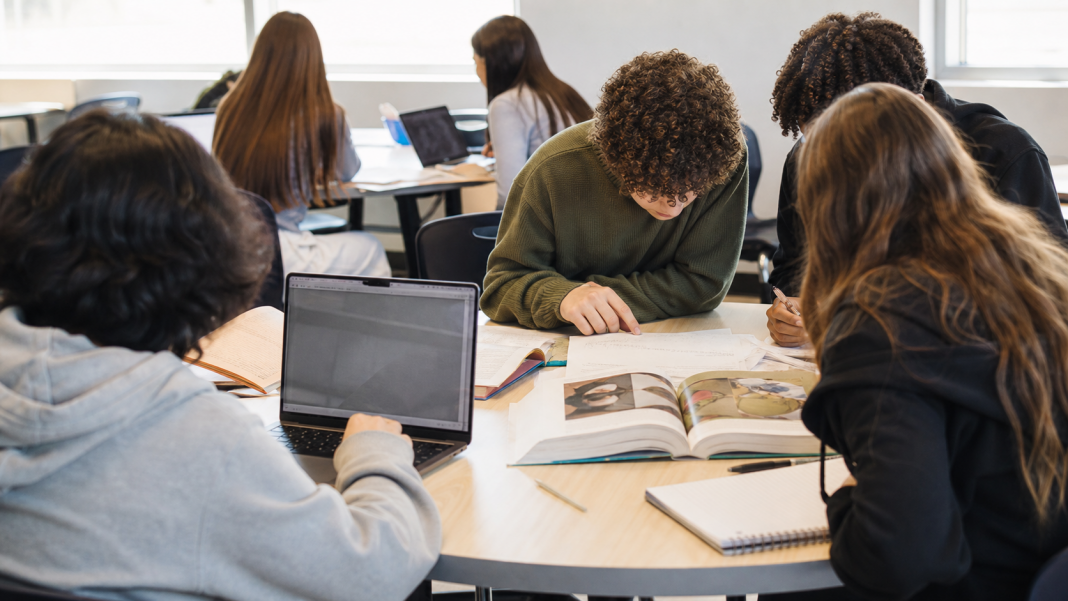
Some schools are rethinking the assumption that every student must have a dedicated laptop. The Conversation argues that the more useful question is not simply how much time students spend on screens, but whether technology helps them ask questions, solve problems and learn.
A one-device policy can support access and flexibility, but it also brings costs for hardware, repairs, software, internet access and teacher training. Classrooms may benefit from a mix of shared devices, printed materials, hands-on activities and face-to-face collaboration.
The debate is not an argument for abandoning technology. It is a call to match devices to instructional goals, student needs and evidence about what improves learning. Schools can also consider accessibility, privacy and unequal access at home when designing technology programs.
This article was researched with the help of AI, with human editors creating the final content.
Source: The Conversation, July 30, 2026.

