



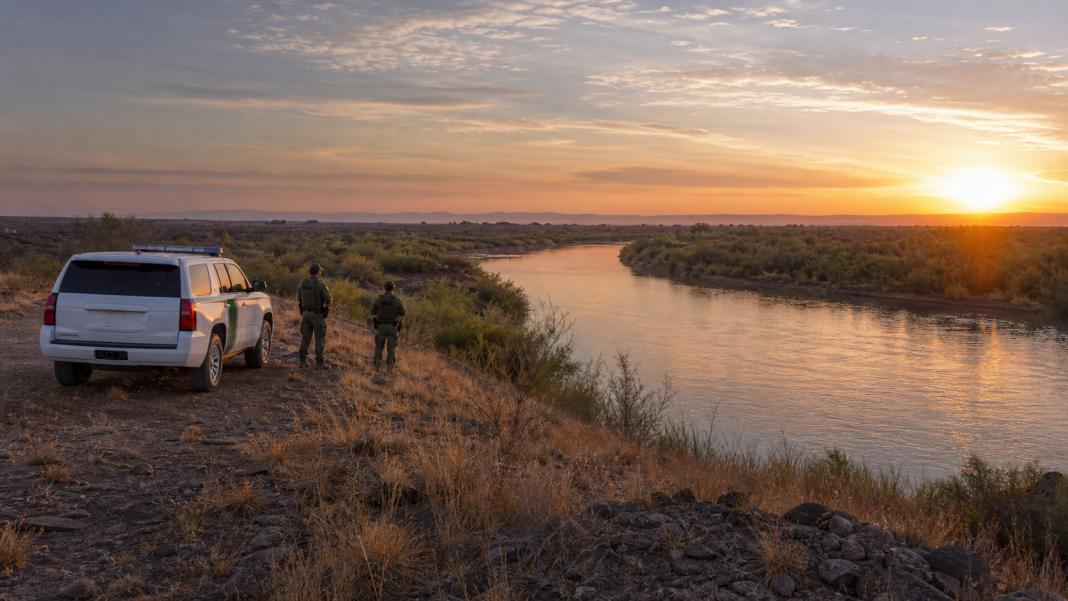
WASHINGTON – U.S. Border Patrol apprehensions between ports of entry declined again in July, continuing a period of lower southwest-border activity reflected in federal enforcement data.
The monthly figures count enforcement encounters, not a complete census of everyone who crossed or attempted to cross. They can include repeat encounters and are separate from travelers processed by Customs and Border Protection officers at legal ports of entry.
Border activity varies by sector as smuggling routes, enforcement resources and migration patterns change. The Rio Grande Valley is one of nine Border Patrol sectors along the southwest border and includes much of South Texas from the Gulf Coast westward.
Officials and analysts have attributed recent declines to a combination of federal policy, Mexican enforcement, removal practices and changing decisions by migrants and smuggling organizations. A one-month decline does not necessarily establish a permanent trend.
Lower apprehension totals can reduce short-term pressure on holding facilities and transportation systems. Border agencies must still maintain staffing for narcotics interdiction, rescues, human-smuggling investigations and activity that shifts to more remote areas.
CBP publishes monthly encounter data after internal review. The statistics are often revised and should be compared using the same categories, because totals for Border Patrol apprehensions, Office of Field Operations encounters and all nationwide encounters measure different activity.
The agency did not say the decline eliminated illegal crossings or operational risks. Border Patrol continues to monitor routes across South Texas and other sectors while federal officials evaluate whether the downward movement continues through the remainder of the fiscal year.

