



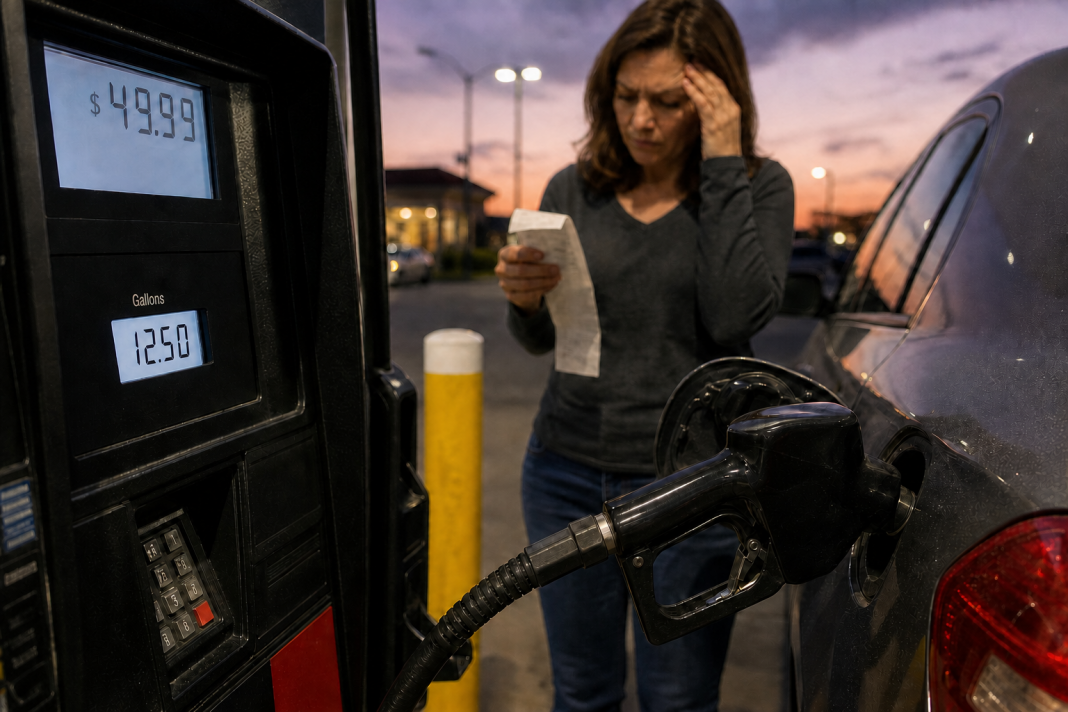
The national average price of regular gasoline returned to $4 a gallon Monday as renewed fighting between the United States and Iran drove fresh volatility in oil markets.
AAA reported a nationwide average of $4 on July 20, compared with $3.14 a gallon one year earlier. The figure is an average: motorists in some states have paid more than $4 for weeks, while drivers elsewhere continue to see lower prices because of differences in taxes, refinery access, inventories and local competition.
Gasoline first crossed the $4 national threshold at the end of March. Prices dipped below it in mid-June and continued falling after the United States and Iran reached an interim agreement that eased pressure on crude oil. The recent resumption of attacks reversed part of that decline.
In Monday morning trading, Brent crude was about $86.46 a barrel and U.S. benchmark crude was $79.91, according to Associated Press market data. Both remained well above levels near $70 before the war. Oil prices move throughout the day, so those figures are a market snapshot rather than a closing price or forecast.
Why pump prices do not move in lockstep with crude
Crude oil is the largest component of the retail price of gasoline, but it is not the only one. Refining costs, transportation, marketing, inventories and federal and state taxes all influence the price displayed at a station.
That is why pump prices can rise after crude has stabilized or remain elevated after oil falls. Refineries and distributors may still be replacing supplies purchased at higher prices, and regional outages can create local shortages even when national inventories appear adequate.
South Texas benefits from its proximity to Gulf Coast refineries and energy infrastructure, but local drivers are not insulated from a global supply shock. A prolonged restriction on shipping through the Strait of Hormuz can raise crude and shipping costs across markets, eventually affecting fuel delivered throughout the country.
The pressure extends beyond personal vehicles. Diesel affects trucking and agriculture, jet fuel affects airlines, and higher transportation expenses can work their way into grocery and consumer-goods prices.
Households should compare local station prices and focus on actual fuel use rather than assuming the national average is the price at every Rio Grande Valley pump. Prices can change by the day as military, diplomatic and shipping conditions develop.
Sources: Associated Press, AAA fuel-price data and the U.S. Energy Information Administration.

