



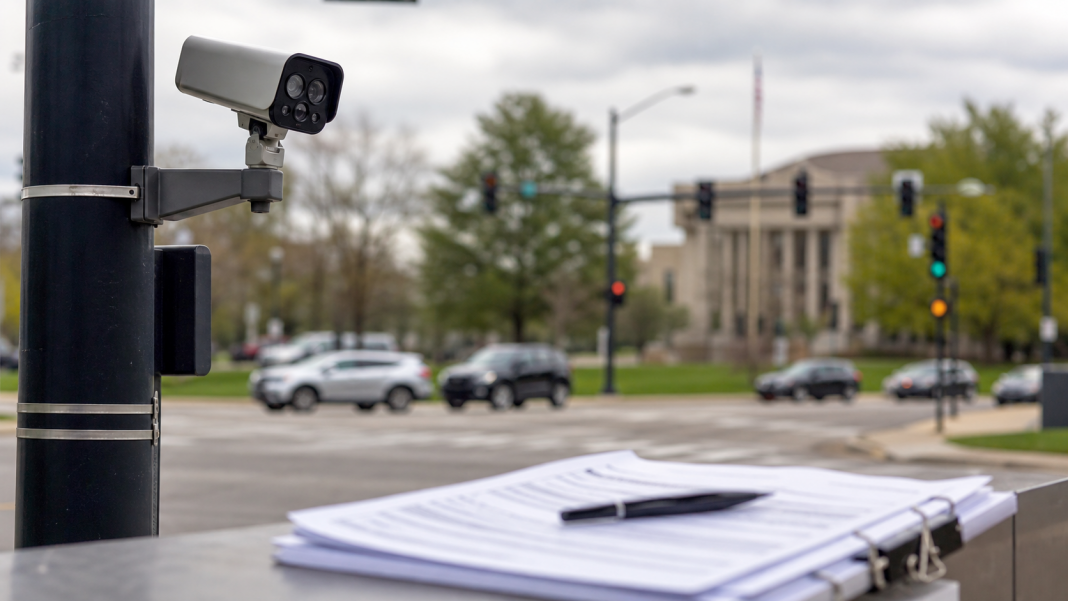
Several communities are reconsidering automated license plate reader programs as residents and officials debate how long vehicle-location data should be kept, who may search it and whether the systems provide enough public-safety value.
These cameras photograph license plates and record the time and location of a passing vehicle. Police agencies say the technology can help find stolen vehicles, investigate serious crimes and locate missing or endangered people. Privacy advocates counter that large collections of routine travel data can reveal sensitive patterns and may be shared too broadly without firm safeguards.
The University of Wisconsin–Madison Police Department said it did not renew its contract with Flock Safety after the agreement ended June 26. The department said the equipment was deactivated and being removed while it considers another license plate reader vendor that may better address community concerns and public-safety needs.
Other Wisconsin communities experienced delays between a contract ending and physical camera removal. Deactivation and removal are different steps: a device can be switched off remotely before a crew takes it down. Officials should tell the public which step has occurred and document the date.
For communities considering this technology, clear policy questions include what crimes justify a search, how long records are retained, whether federal or out-of-state agencies can access them, how audits are performed and how misuse is disciplined. Published transparency reports and regular governing-board review can help residents evaluate whether the system is operating as promised.
This article is an independent, neutral rewrite based on reporting by Gizmodo, the UW–Madison Police Department and local public records. It does not endorse vandalism or interference with public equipment.

