




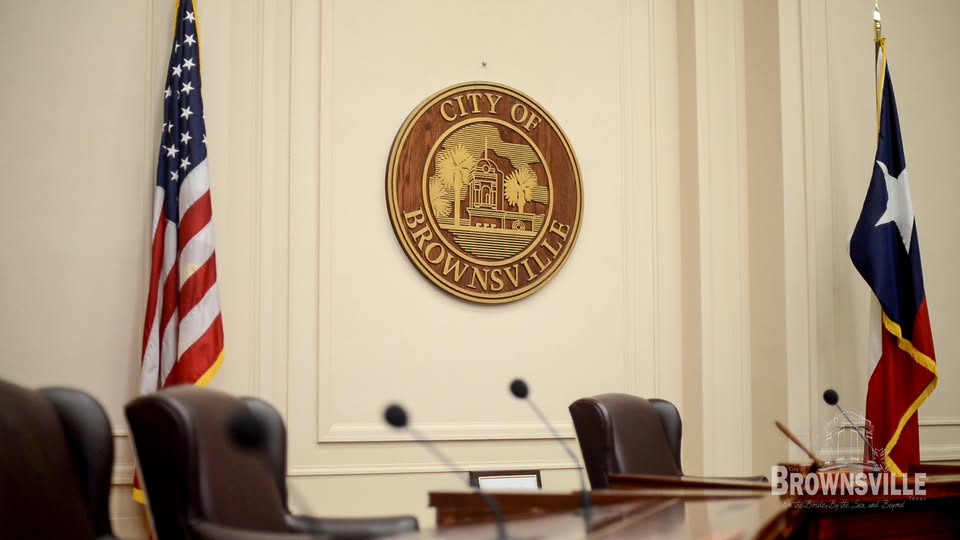
BROWNSVILLE, Texas — Following an increase in late-night fights and recent stabbing incidents involving party-goers along Pablo Kisel Boulevard, officials in Brownsville are considering stricter regulations on nightlife businesses through the creation of a Midtown Entertainment District.
City commissioners introduced a first reading of the proposed ordinance during Tuesday’s city commission meeting. The measure would regulate businesses operating between midnight and 2 a.m. that earn more than 51% of their revenue from on-premise alcohol sales after midnight. The ordinance would affect late-night restaurants, bars, nightclubs and dance halls within a defined Midtown area.
Commissioners requested revisions to the initial draft and called for a second public hearing before a vote, citing changes made after the original proposal. The ordinance is expected to return for a second reading at the Jan. 20 city commission meeting.
Public safety concerns
City leaders said the ordinance is a response to ongoing safety concerns, including violent incidents that have circulated on social media and an increase in police calls tied to the Midtown nightlife corridor.
Mayor John Cowen Jr. said the ordinance has been developed over the past several months through coordination between the city’s legal team, police department and city management, with the goal of improving safety while allowing businesses to continue operating.
Officials acknowledged that while Brownsville’s nightlife issues are not as severe as those in some larger Texas cities, a recent stabbing incident with a suspect still at large heightened the urgency for action.
Proposed requirements
Under the draft ordinance, businesses within the Midtown Entertainment District would be required to meet several safety standards, including:
- Mandatory ID verification for all patrons
- Adequate exterior lighting around buildings and parking areas
- Video surveillance systems, with recordings retained for at least 14 days
- A prohibition on employees consuming alcohol while working
- Licensed security officers, required at a ratio of one guard per 75 occupants
Following discussion, commissioners proposed a two-strike system requiring businesses to pay for additional security after being cited for two incidents. Establishments found serving minors would face fines of $2,000 per minor, the maximum penalty allowed by the city.
Violations would also be reported to the Texas Alcoholic Beverage Commission, and repeated infractions could result in the loss of a seller or server license.
Enforcement efforts
City Attorney Will Treviño said the ordinance builds on enforcement actions already underway. Letters were sent in early June 2025 to nightlife businesses along Pablo Kisel and Springmart boulevards warning owners about repeated complaints and a high volume of police calls for service.
According to the city, some businesses became fully compliant after receiving notice, others temporarily complied before lapsing, and some never came into compliance.
While the Texas Alcoholic Beverage Commission establishes statewide alcohol regulations, Treviño said continued noncompliance after notification can trigger civil or criminal enforcement through the Texas Attorney General’s Office.
Business owner concerns
Several business owners raised concerns during public comment about the financial impact of the proposed rules.
Ricardo Masso Jr., owner of several bars in Brownsville including The Dive, said changes made to his business after receiving a city notice led to a sharp decline in revenue. He also noted that additional security requirements could cost approximately $65,000 per guard per year, along with expenses for lighting and surveillance upgrades.
Other owners expressed concern about being held responsible for incidents occurring outside their establishments and about the ordinance affecting areas beyond the primary nightlife plazas.
Broader discussion
Commissioners debated whether the ordinance should apply only to specific plazas or be expanded citywide, noting that police staffing levels would make citywide enforcement difficult. They also discussed whether the rules should apply to new establishments only or to existing businesses, as well as possible changes to occupancy standards.
The discussion lasted nearly two hours, reflecting the challenge of balancing public safety with economic considerations.
Interim City Manager Alan Guard said the ordinance was modeled after similar nightlife regulations adopted in other cities.
Commissioner Tino Villarreal Jr. said shifting demographics and growth among young professionals have increased demand for safer nightlife options in Brownsville.
What’s next
The proposed Midtown Entertainment District ordinance will return to the Brownsville City Commission on Jan. 20 for a second public hearing and further consideration. Commissioners are expected to review revisions and decide whether to move forward with adopting the district and its proposed safety requirements.
Sources
- MyRGV.com — Brownsville proposes Midtown Entertainment District after alcohol-fueled fights
- Brownsville City Commission meeting agenda and public records (Jan. 6, 2026)
- Statements and materials provided by the City of Brownsville
- Public comments from local business owners during the city commission meeting

