



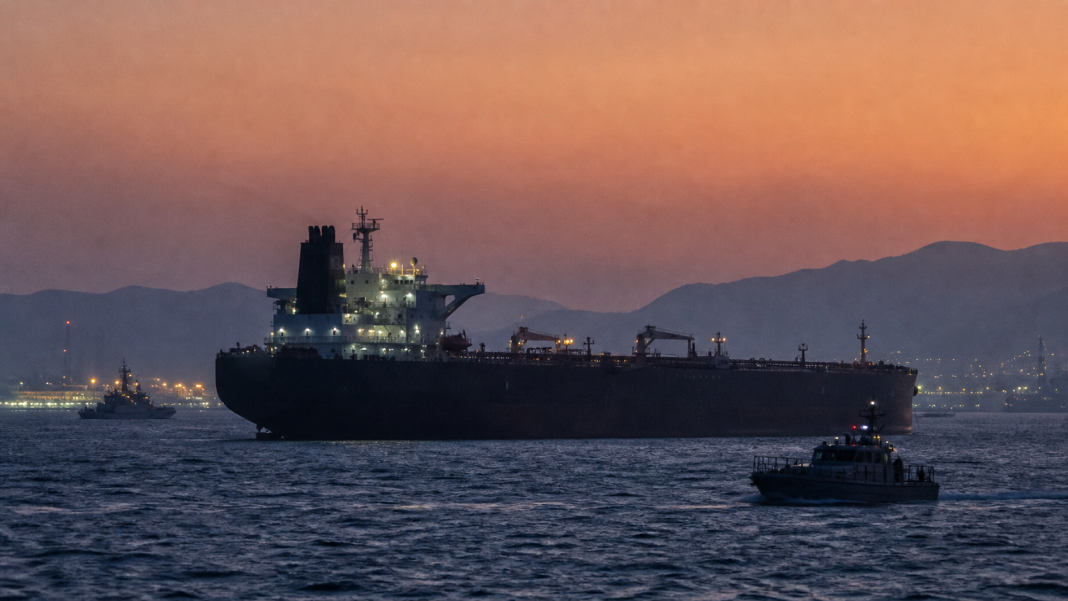
Fighting in the Middle East widened Saturday after the United States carried out new strikes on Iran following attacks on vessels near the Strait of Hormuz, one of the world’s most important shipping corridors.
The Wall Street Journal reported that American forces struck Iranian targets after vessels were attacked near the strategic waterway. U.S. officials blamed Iran for the attacks and said the American response targeted military capabilities tied to communications, air defense, drones and maritime disruption.
The latest violence comes as regional tensions remain high around the Strait of Hormuz, a narrow passage used by a major share of global oil shipments. Any disruption in the area can affect energy markets, shipping routes and broader economic stability.
Bahrain also reported drone activity connected to the widening conflict, raising concerns among U.S. allies in the Gulf. Bahrain is home to the U.S. Navy’s Fifth Fleet, making security developments there especially significant for American military operations in the region.
The vessel incidents and U.S. response add pressure to fragile diplomatic efforts aimed at preventing a broader regional conflict. While Washington and Tehran have both signaled interest in limiting the scope of fighting, continued attacks on shipping and military sites could make de-escalation more difficult.
For consumers and businesses, the main concern is whether conflict near the Strait of Hormuz affects fuel prices, shipping costs or supply chains. Even limited attacks in the area can increase insurance costs for vessels and prompt shipping companies to slow or reroute traffic.
The situation remains fluid as U.S. officials, Gulf allies and maritime security agencies monitor the waterway.

