



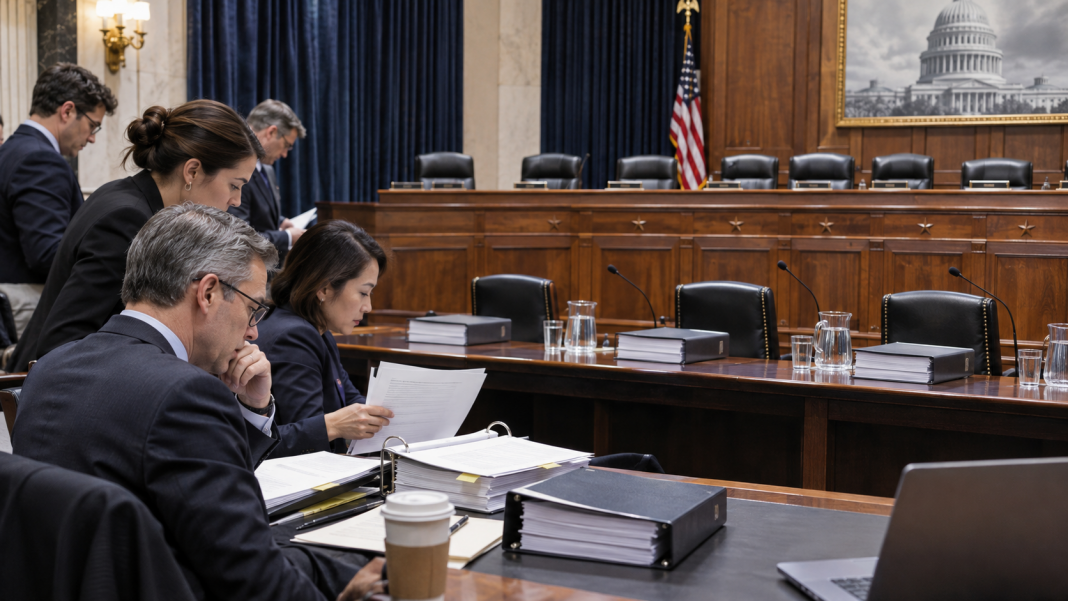
WASHINGTON – Major corporations are preparing for a new wave of congressional scrutiny after Democrats won control of the House and Senate, giving the party authority to call hearings, demand records and issue subpoenas when the new Congress convenes.
Lawmakers and committee staff are considering investigations into relationships between the Trump administration and large technology, defense, energy and private-prison companies, according to reporting by The Washington Post. The plans remain preliminary, and being considered for oversight does not establish wrongdoing by any company or executive.
Apple, Meta and businesses led by Elon Musk are among the early potential subjects identified by people familiar with the planning, the newspaper reported. Possible lines of inquiry include government contracts, corporate benefits tied to administration policies, foreign business relationships and donations or gifts connected to President Donald Trump.
House investigators are also considering questions about the administration’s reported use of Musk’s Grok artificial intelligence system during the operation that captured Venezuelan President Nicolas Maduro. Other possible topics include Apple’s hosting of applications used in connection with immigration enforcement and nondisclosure agreements Meta sought from local governments during data-center negotiations.
Those subjects have not yet been announced as formal committee investigations. Details in the Post report were based in part on interviews with congressional aides, lawyers, lobbyists and investors who discussed private preparations on the condition of anonymity.
Rep. Jamie Raskin of Maryland, positioned to lead the House Judiciary Committee, has said Democrats plan hearings and investigations focused on what the party describes as quid pro quo corruption. Rep. Robert Garcia of California, the expected House Oversight Committee chair, issued a blunt warning to potential targets on election night.
Democratic senators have also indicated that technology companies and wealthy executives will receive close attention. Their party’s control of both chambers gives multiple committees overlapping authority to examine foreign affairs, defense spending, immigration enforcement, consumer protection and competition policy.
Congressional investigations differ from criminal cases. Committees can collect information for legislation and public oversight, but they do not determine criminal guilt. Testimony and documents can be referred to law enforcement when lawmakers believe evidence warrants further review.
Companies receiving a committee request may negotiate its scope, provide documents voluntarily or challenge a subpoena. Disputes can move slowly through the courts, particularly when the White House asserts executive privilege or another legal protection.
Corporate attorneys are advising executives to preserve records, identify government contacts and prepare witnesses who could be called to testify. Venture investors have also warned some companies that a public investigation can complicate fundraising and government contracting even before any conclusion is reached.
The expected scrutiny follows two years in which technology and financial executives built closer relationships with the White House. Some attended presidential events, supported administration projects or pursued policies and contracts affecting their businesses. Democrats argue that those connections require greater transparency.
Republicans and administration officials have characterized the planned oversight as politically motivated. Minority-party lawmakers will retain the ability to question witnesses, publish competing reports and use hearings to challenge Democratic claims.
Apple, Meta, X and Musk did not provide comments for the Post’s report. Any formal investigation will become clearer when committees announce their leadership, rules and priorities for the next Congress.
Source: The Washington Post, published Nov. 6, 2026. Additional verification: public statements from incoming congressional committee leaders and Axios reporting on coordinated oversight plans.

