



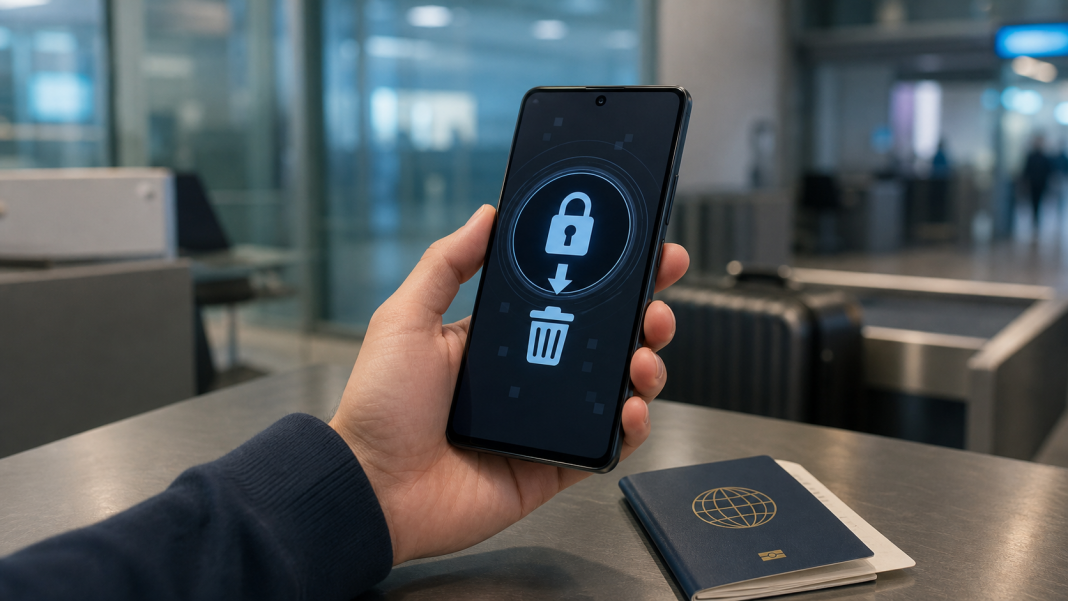
A Georgia activist is facing a federal felony case after using a privacy feature on a phone during a Customs and Border Protection inspection at a U.S. airport, according to court reporting by Ars Technica.
Samuel Tunick was returning from an international trip in early 2025 when agents sought access to his Pixel phone, which used GrapheneOS, an alternative Android operating system. Tunick entered a “duress code†that triggered the device’s data-wipe function rather than provide the requested access.
Government attorneys say destroying data during the inspection violated federal law. Tunick’s lawyers say he was targeted because of his involvement with Defend the Atlanta Forest, a group opposing a proposed law-enforcement training complex, and that he repeatedly requested counsel during questioning.
U.S. border officials have broad authority to inspect electronic devices, but the scope of that authority and constitutional protections remain subjects of litigation and public debate. Travelers should understand that refusing to unlock a device, losing access to it or triggering a security feature can have consequences even when the device belongs to them.
GrapheneOS describes its duress feature as an optional privacy tool. This article does not reproduce operational instructions for wiping a device. People with legal concerns about border searches should seek advice from a qualified attorney before traveling.
The case details and competing accounts were reported by Ars Technica, which cited reporting and court proceedings. The charges are allegations and the defendant is presumed innocent.

