



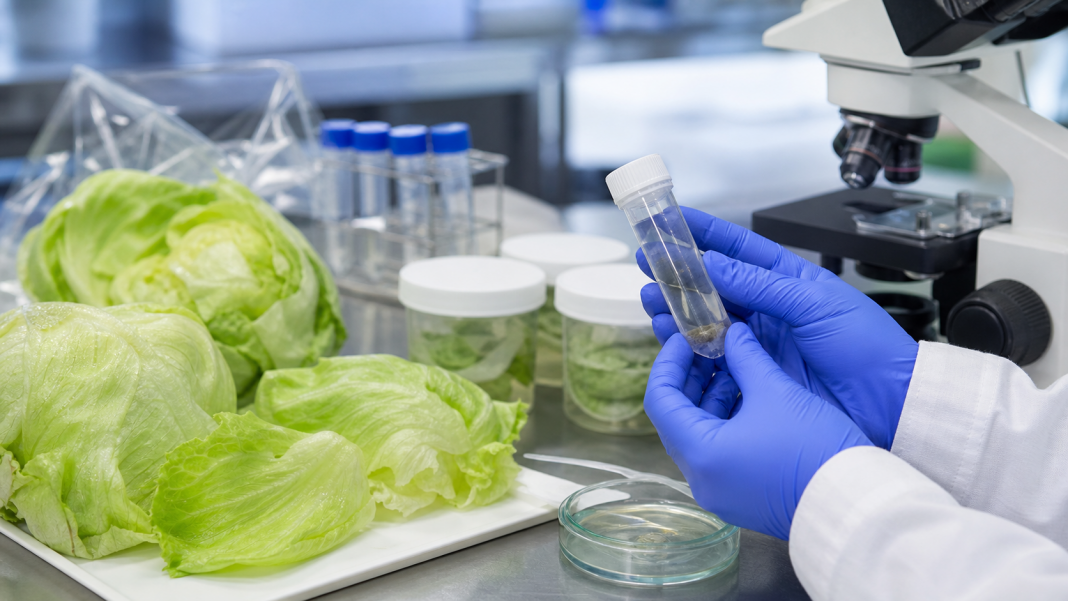
A federal laboratory review has reversed an earlier finding of Cyclospora in an iceberg lettuce sample linked to Taylor Farms, but health officials say the broader outbreak investigation and product removal remain active.
The U.S. Food and Drug Administration said the sample, supplied by Taylor Farms de Mexico, had initially been reported positive on July 18. Because detecting the parasite can be technically complex, laboratory experts reexamined the testing data and concluded that the signal did not represent true amplification. The result is now considered a false positive.
That correction does not amount to an all-clear for consumers. The FDA said it still had no confirmed positive product-testing samples as of July 19, yet epidemiological and traceback evidence continued to point toward shredded iceberg lettuce served at certain Taco Bell locations. The agency said its investigation, additional sampling and work with the company to remove implicated products were continuing.
Taylor Farms de Mexico began voluntarily removing iceberg lettuce sourced from central Mexico from the U.S. market on July 17. The FDA’s public notice includes a growing list of affected restaurant and retail products, so consumers should check the agency’s current outbreak page rather than rely on a single product name or package size.
Outbreak spans five states
Federal officials had identified 1,644 illnesses across Indiana, Kentucky, Michigan, Ohio and West Virginia as of July 16. Ninety-four people had been hospitalized, and no deaths had been reported. Among 190 patients for whom food-exposure information was available, 90% reported eating iceberg lettuce before becoming ill.
Cyclospora cayetanensis is a microscopic parasite that can cause prolonged gastrointestinal illness. Symptoms commonly include frequent watery diarrhea, loss of appetite, weight loss, cramping, bloating, nausea and fatigue. The FDA advises people who develop symptoms after possible exposure to contact a healthcare provider because diagnosis requires specific laboratory testing.
Consumers and businesses that handled recalled lettuce should follow the FDA’s instructions for disposal and cleaning. Surfaces and containers that touched the product should be washed and sanitized to reduce the chance of cross-contamination.
The key distinction in the latest update is that one laboratory result was withdrawn, while the outbreak evidence and recall response were not. Investigators can connect illnesses to a food through interviews and supply-chain records even when no unopened product sample tests positive, particularly when a perishable item is no longer available for testing.
Sources: original report via Apple News and the U.S. Food and Drug Administration outbreak investigation.

