



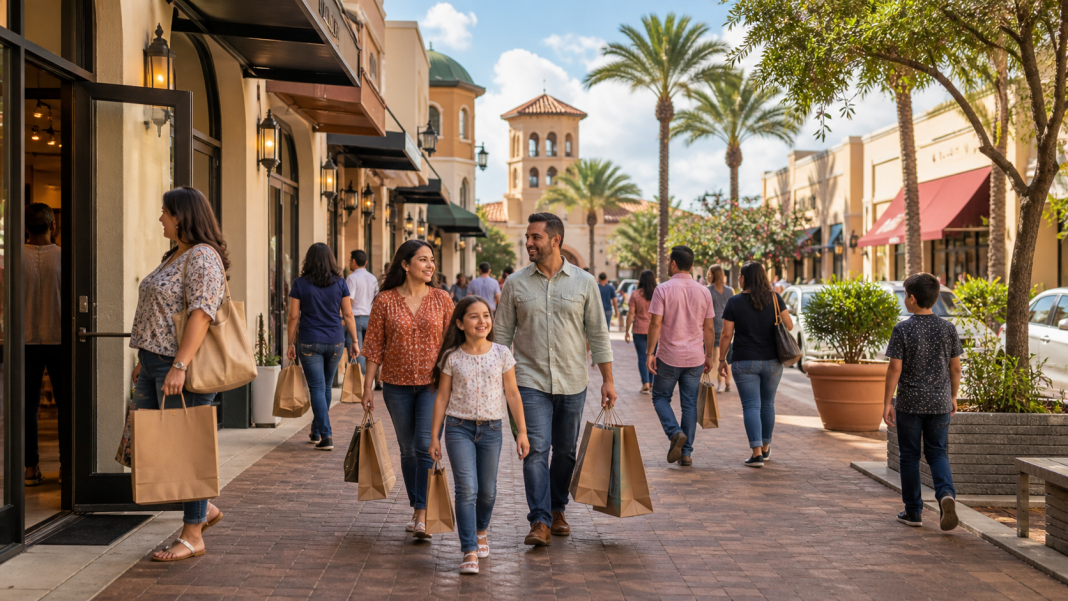
McALLEN, Texas – Most Rio Grande Valley municipalities received higher sales-tax allocations through July 2026 than during the same period last year, giving many cities additional revenue for services and capital projects.
Texas comptroller data show the Valley's 42 municipalities collected about $250 million through July, an increase of $11.5 million, or approximately 4.8%. The allocations generally reflect taxable sales made in prior months and are an important source of general-fund revenue.
McAllen remained the region's largest sales-tax market, increasing 7.16% to about $63 million. Brownsville rose 4.4% to approximately $38 million, while Pharr increased 5.4% to $19 million.
Harlingen's total grew 3.6% to roughly $22 million. Mission increased 2.8% to $17.6 million, Weslaco rose 3.14% to $12.9 million and San Juan increased 9.1% to $4.6 million.
Edinburg was a notable exception. Its allocations declined 5.8% to about $24.5 million through July. A year-to-date decline does not necessarily indicate a permanent slowdown because monthly payments can be affected by audit adjustments, large purchases and the timing of tax collections.
Percentage changes also tend to be more volatile in smaller cities. The opening or closing of one major retailer can have a larger effect on a community with a relatively small tax base than on McAllen or Brownsville.
Cities use sales-tax money differently depending on local ordinances and economic-development agreements. The figures measure taxable activity and should not be treated as a complete measure of each city's economy.

