



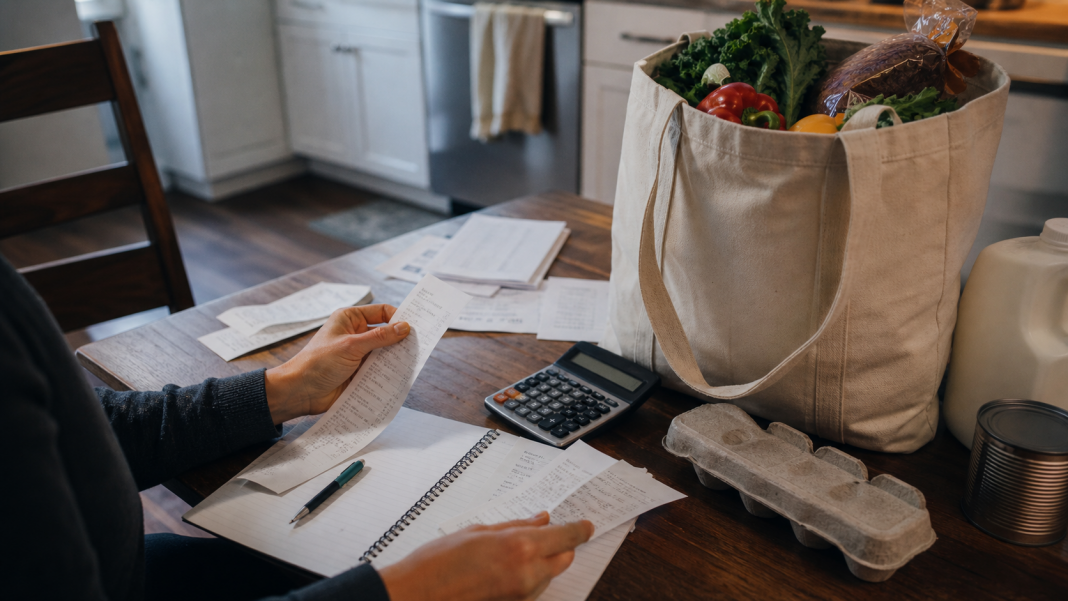
A sharp June drop in gasoline prices offered households some relief, but higher food, housing and other everyday expenses continued to strain family budgets.
The U.S. consumer price index fell 0.4% in June after seasonal adjustment, the Bureau of Labor Statistics reported. It was the largest one-month decline since April 2020. Even with that drop, the broad price measure remained 3.5% higher than a year earlier.
Energy drove much of the monthly improvement. The energy index fell 5.7% in June, and gasoline dropped 9.7%. The longer view was less comfortable for drivers: gasoline was still 26.7% more expensive than in June 2025, while overall energy costs were up 15.7%.
Food prices moved in the opposite direction, rising 0.2% for the month and 3% over the year. Grocery prices were 2.7% higher than a year earlier, restaurant prices were up 3.4%, and fruits and vegetables rose 5.3%. Shelter costs, which include rent and the rental-equivalent measure used for homeowners, increased 3.3% over 12 months.
Why the average may not feel like relief
Inflation measures the rate of change, not whether prices have returned to earlier levels. A slower increase—or even a monthly decline in the overall index—can coexist with grocery receipts and rent payments that remain well above what families paid several years ago.
The national average also does not describe every household. Spending patterns vary by income, family size, housing situation and region. A Rio Grande Valley household that drives long distances and spends a large share of its income on groceries may experience price changes differently from a household with a fixed mortgage and shorter commute.
Separate purchase data from Numerator showed that prices for everyday household goods rose 0.7% in June and 3.4% from a year earlier. Its analysis found that lower-income consumers and shoppers in the South had experienced greater cumulative increases than some other groups since 2018.
The Urban Institute’s American Affordability Tracker reaches a similar conclusion from a broader cost-of-living model: nearly half of people in American families lack the resources to cover a basic family budget. That measure includes housing, food, transportation, healthcare, child care and taxes and is distinct from the federal poverty line.
For local families, falling fuel prices may free up some money in the short term. But continued increases in food and housing mean that many budgets remain tight, especially when wages and benefits do not rise at the same pace as essential expenses.
Sources: original USA Today report via Apple News, USA Today, the U.S. Bureau of Labor Statistics, Numerator data reported by Supermarket News and the Urban Institute.

