



McALLEN, Texas – The U.S.-Mexico-Canada Agreement remains in force, but the United States' decision not to extend it for a new 16-year term has moved North American trade into annual reviews and continued negotiations.
USMCA took effect July 1, 2020, replacing the North American Free Trade Agreement. Article 34.7 requires the three countries to review the pact on its sixth anniversary and decide whether to extend its term.
The United States declined to approve an automatic 16-year extension at the July 1, 2026 review. The Office of the U.S. Trade Representative said the action did not terminate USMCA. Instead, the agreement remains active while the countries address disputes and conduct yearly reviews.
Jorge Torres, president of Interlink Trade Services and a licensed customs broker, said the result creates uncertainty for Rio Grande Valley companies that make long-term decisions about factories, warehouses, transportation and suppliers.
U.S. and Mexican negotiating teams have discussed rules of origin, automobiles, steel and aluminum, agriculture, labor, economic security and electronic payment services. They have also considered how to reduce dependence on nonmember countries in North American supply chains.
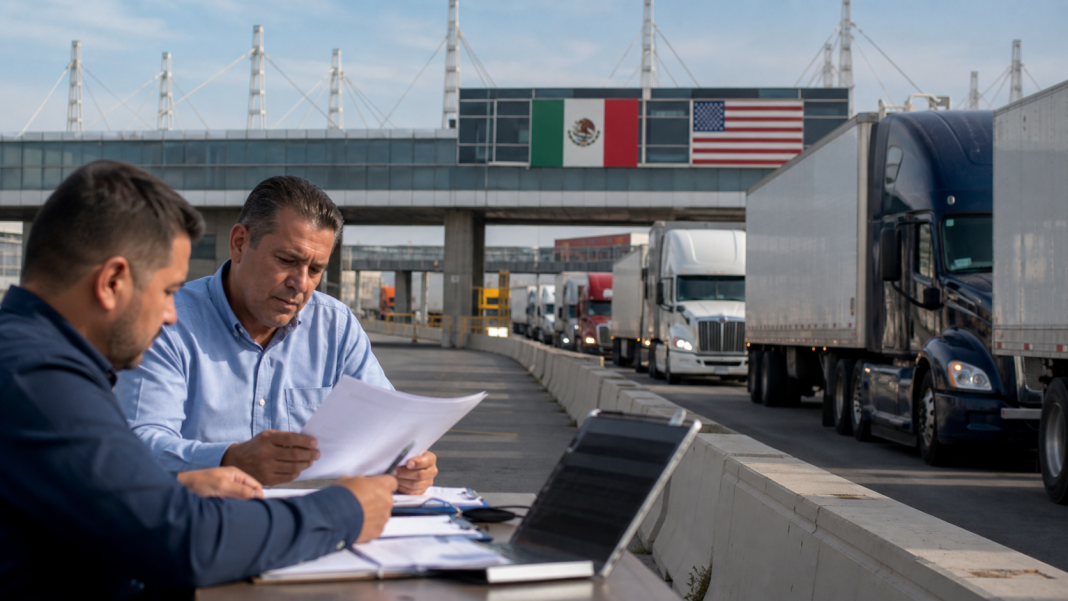
The Valley is particularly exposed to uncertainty because international bridges, customs brokers, trucking companies, produce importers and manufacturers depend on predictable cross-border rules. Changes in documentation, tariffs or origin requirements can affect costs even when the agreement itself remains in place.
The next annual review process does not mean trade preferences disappear. Businesses will continue operating under USMCA while negotiations proceed, but they may need to monitor rule changes and avoid assuming current terms are locked in for another 16 years.

