



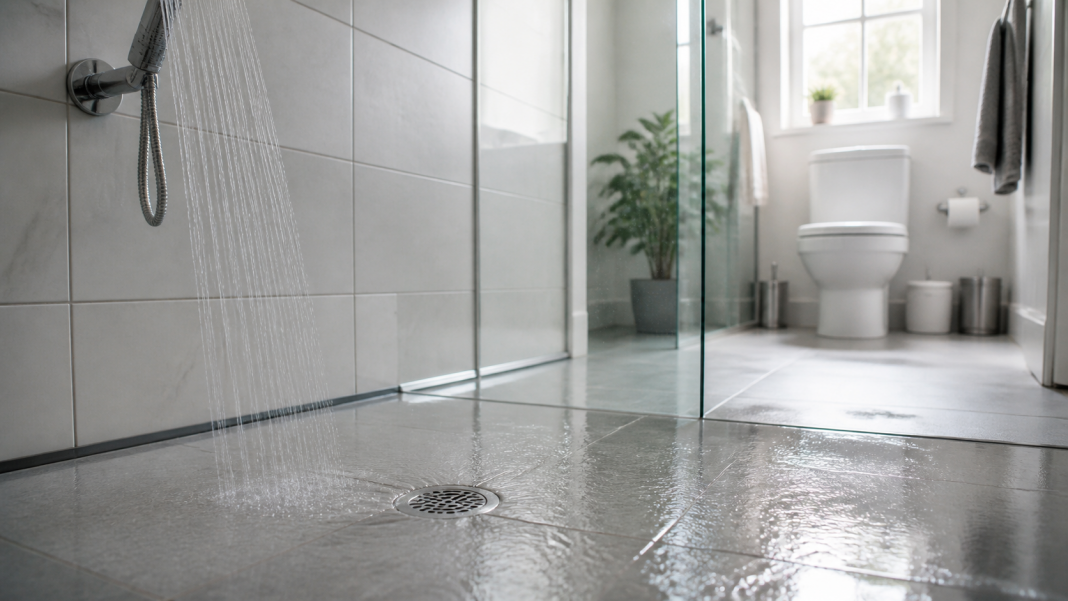
Urinating in a private shower is generally considered low-risk for a healthy person when the water is running and the shower is cleaned regularly, but health specialists say there are exceptions involving infection, shared facilities, bladder habits and pelvic-floor function.
Urine is mostly water, but it is not sterile. Healthy urine normally contains relatively low levels of bacteria, and running shower water quickly dilutes it and carries it into the same household drainage system used by toilets. Modern plumbing is designed to handle urine, and it should not damage ordinary metal or PVC pipes.
The advice changes when someone has a urinary tract infection, a contagious skin infection, certain sexually transmitted infections or an open wound. Bacterial levels can be higher during infection, and contact with broken skin may create an avoidable risk. Public or shared showers should be kept urine-free for hygiene and courtesy because other users may have cuts or walk barefoot.
Water should be running if someone urinates in a shower. Allowing urine to remain on tile or grout can cause odor, discoloration and bacterial growth. Routine cleaning and good ventilation reduce those problems.
Urologists also raise a behavioral concern for people with urgency or urge incontinence. Repeatedly urinating when shower water begins to run may condition the bladder to associate the sound of water with an immediate need to go. Someone who already struggles to delay urination may be better served by using the toilet before showering.
The effect on the pelvic floor is debated and depends partly on anatomy and posture. Some clinicians recommend sitting with the feet supported and the pelvic muscles relaxed for more complete emptying. People who cannot comfortably relax while standing may strain or retain urine, particularly if they already have pelvic-floor dysfunction.
Standing is a normal urination position for many men, and no single posture is best for every healthy adult. The key is to avoid pushing, holding the breath or forcing the stream. People with weak flow, pain, incomplete emptying, frequent infections or leakage should discuss the symptoms with a medical professional or pelvic-floor therapist.
Urinating in the shower is sometimes described as a water-saving practice because it may avoid a toilet flush. The actual savings depend on shower length and fixture efficiency. Staying under the water longer to urinate could erase any benefit, so the environmental argument is strongest only when it does not extend the shower.
Urine should not be used to clean wounds, treat athlete’s foot or address a jellyfish sting. Those claims are not supported by reliable medical evidence, and appropriate first aid is safer.
For most healthy people in their own clean shower, the practice is unlikely to cause harm. People with infections, open wounds, bladder urgency or pelvic-floor problems have stronger reasons to use the toilet instead.
Source: Health, published Aug. 20, 2026. Additional verification: Cleveland Clinic urology guidance.

